Audit, Retention & eDiscovery in SC-900: Understanding Visibility and Accountability
Learning Objectives After completing this guide, you will be able to: Audit, Retention & eDiscovery in SC-900 Audit, Retention & eDiscovery in SC-900 explains how organisations gain visibility into user actions, control how long data is kept, and respond to legal or regulatory requests when required. Security focuses on preventing threats.Compliance focuses on evidence, accountability, ...
Read the full article Data Loss Prevention in SC-900: Preventing Accidental Data Leakage
Data Loss Prevention in SC-900 explains how organisations reduce the risk of accidental data exposure by applying policies that control how sensitive information is shared and used. Most data breaches are not caused by hackers breaking in.They are caused by well-meaning users sending sensitive data to the wrong place. SC-900 introduces DLP to help learners ...
Read the full article Data Classification & Sensitivity Labels in SC-900: Protecting Information by Design
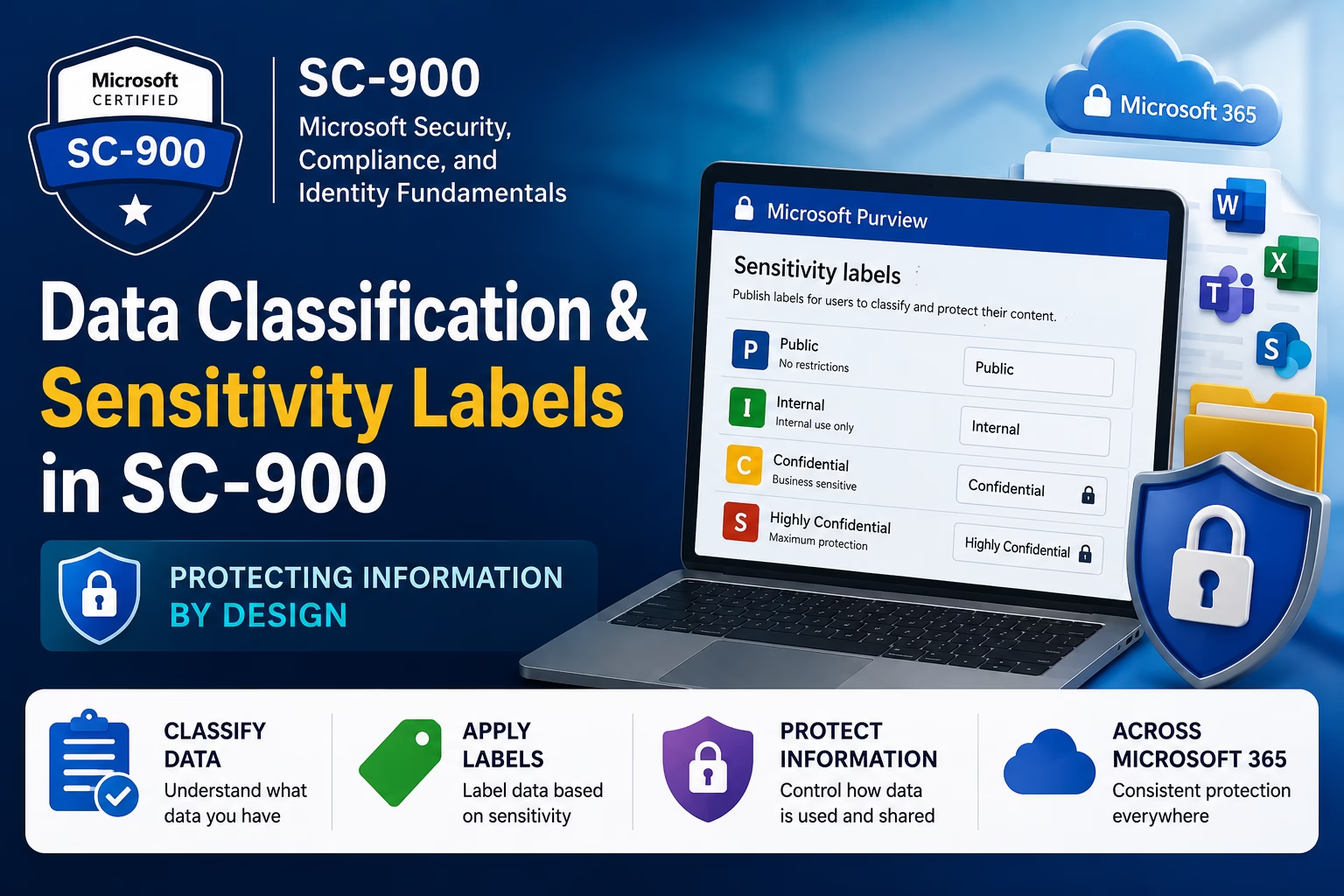
Learning Objectives After completing this guide, you will be able to: Data Classification & Sensitivity Labels in SC-900 Data Classification & Sensitivity Labels in SC-900 explain how organisations protect information based on its value and risk, not just where it is stored. Not all data is equal.A public document, an internal email, and a confidential ...
Read the full article Microsoft Purview Overview in SC-900: Essential Compliance Guide
Learning Objectives After completing this guide, you will be able to: Microsoft Purview Overview in SC-900 Microsoft Purview Overview in SC-900 explains how Microsoft approaches compliance, data protection, and governance as an integrated part of security—not as an afterthought. Many people associate security with firewalls and threat detection. Compliance, however, focuses on how data is ...
Read the full article Microsoft Defender XDR Explained in SC-900: Why Integrated Security Matters
Microsoft Defender XDR in SC-900 explains why modern security relies on integrated detection and response, not isolated tools. Today’s attacks don’t respect boundaries. A single incident can touch email, endpoint, identity, and cloud apps within minutes. SC-900 introduces Microsoft Defender XDR to help learners understand how Microsoft connects signals across security domains to see the ...
Read the full article Cloud App Security & Visibility in SC-900: Understanding Risk Beyond the Perimeter
Cloud App Security & Visibility in SC-900 explains why organisations must see and control how cloud applications are actually used, not just which ones are officially approved. Modern IT environments extend far beyond the corporate network. Users sign in from anywhere, access dozens of cloud apps, and share data across platforms—often without security teams realising ...
Read the full article Microsoft Defender for Office 365 & Defender for Identity in SC-900: Protecting Email and Identity
Microsoft Defender for Office 365 & Defender for Identity in SC-900 explain how Microsoft protects the two most targeted attack surfaces in any organisation: email and identity. Most modern attacks don’t begin with sophisticated exploits.They begin with a phishing email and end with identity compromise. SC-900 introduces these two Defender services to help learners understand ...
Read the full article Microsoft Defender for Endpoint in SC-900: What It Protects and Why It Matters
Microsoft Defender for Endpoint in SC-900 explains how Microsoft protects devices from modern threats using visibility, detection, and response—not just traditional antivirus. Endpoints are one of the most common entry points for attackers. A single compromised laptop can lead to credential theft, lateral movement, and data exposure. That’s why SC-900 introduces Microsoft Defender for Endpoint ...
Read the full article Microsoft Defender Overview in SC-900: How Threat Protection Fits Together
Microsoft Defender Overview in SC-900 explains how Microsoft approaches threat protection as a unified security platform, not a collection of disconnected tools. In modern cloud and hybrid environments, attacks rarely stay confined to one area. A phishing email can lead to endpoint compromise, identity abuse, and data exfiltration. SC-900 introduces Microsoft Defender to help learners ...
Read the full article Privileged Identity Management in SC-900: Why Standing Admin Access Is a Risk
Privileged Identity Management in SC-900 explains why standing administrative access is a security risk and how organisations control privileged roles using time-bound, just-in-time access. In many environments, users are granted permanent admin roles “just in case.” Over time, this creates standing privilege, one of the biggest contributors to security breaches. That’s why Privileged Identity Management ...
Read the full article