Explore Groups in Microsoft 365: A Clear and Practical Guide for MS-102 Administrators
Learning Objectives After completing this guide, you will be able to: Why Groups Matter Before You Configure Anything After exploring users in the Microsoft 365 Admin Center, the next foundational area to understand is Explore Groups in Microsoft 365. Groups are not just containers for users. In Microsoft 365, group control: Before creating or modifying ...
Read the full article Explore Users in Microsoft 365 Admin Center: A Simple and Clear Starting Guide
Learning Objectives After completing this guide, you will be able to: Why User Exploration Comes Next After setting up your Microsoft 365 tenant and becoming familiar with the Admin Center, the next logical step is to Explore users in Microsoft 365 Admin Center. Users are at the center of everything in Microsoft 365 identity, access, ...
Read the full article Explore Microsoft 365 Admin Center: A Clear Guide for New MS-102 Administrators
Learning Objectives After completing this guide, you will be able to: Why This Step Matters Explore Microsoft 365 Admin Center to become familiar with the primary workspace used by Microsoft 365 administrators for tenant-level management and daily tasks. This step helps you explore Microsoft 365 Admin Center without making changes, allowing you to understand where ...
Read the full article How to Set Up a Microsoft 365 Trial Account: A Clear and Practical MS-102 Lab Guide
Learning Objectives After completing this guide, you will be able to: Why This Lab Comes First A Microsoft 365 trial account allows you to create a full Microsoft 365 tenant for hands-on learning and MS-102 Microsoft 365 Administrator exam preparation. Before you can manage users, configure security, or work with Exchange, SharePoint, or Teams, you ...
Read the full article Microsoft 365 Tenant Explained: A Clear and Essential Guide for MS-102 Administrators
Learning Objectives After completing this guide, you will be able to: Why Understanding the Tenant Comes First Before you create users, assign licenses, configure security policies, or troubleshoot service issues, there is one concept you must clearly understand: the Microsoft 365 tenant. Every configuration you make in Microsoft 365 identity, security, compliance, or collaboration starts ...
Read the full article Why MS-102 Microsoft 365 Administration is Critical for Admins
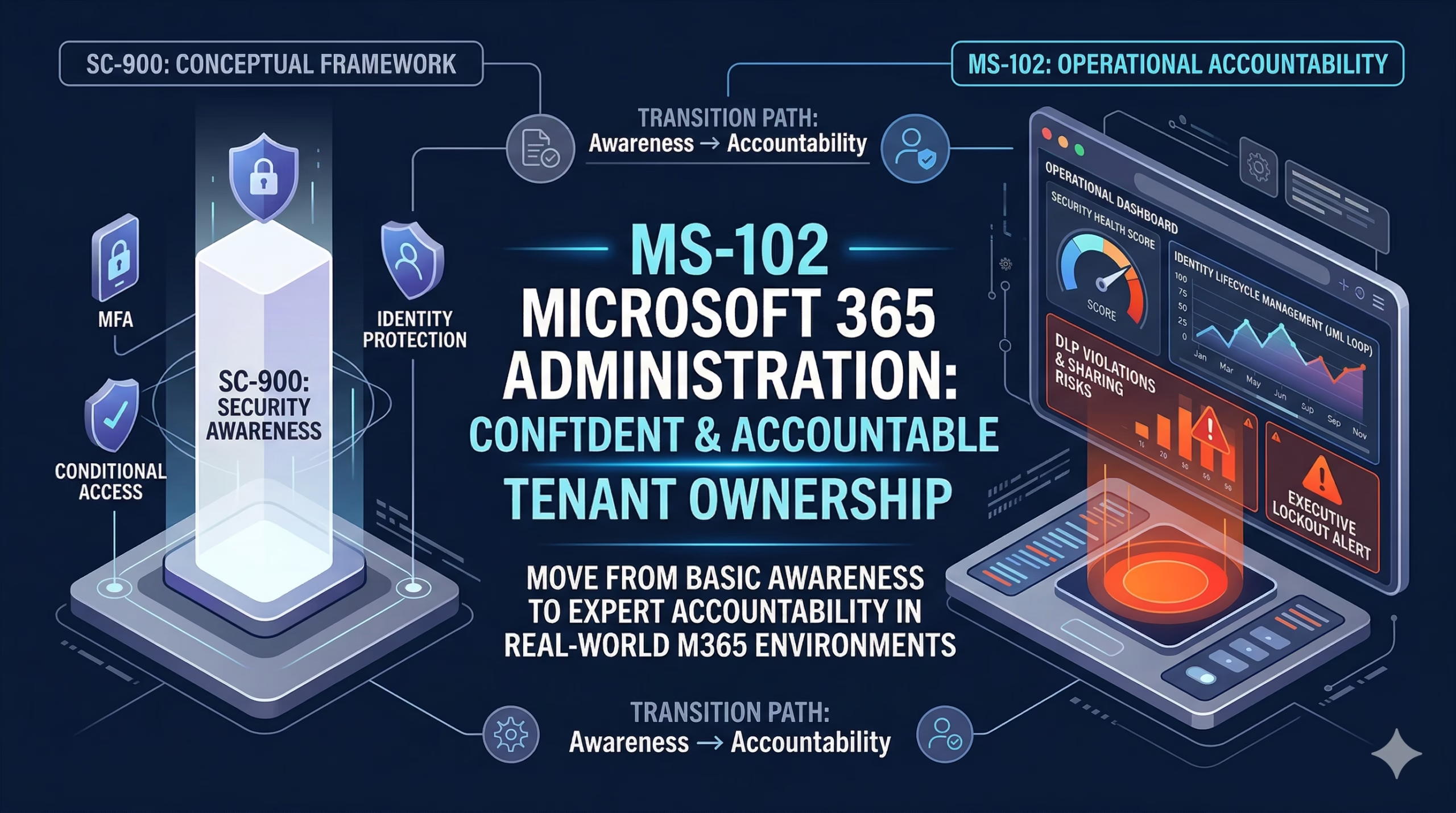
A practical, real-world guide to becoming a confident Microsoft 365 Administrator Almost every modern organization depends critically on Microsoft 365. Email, collaboration, and identity are no longer just ‘apps’; they are the digital nervous system of the business. When an admin fails to secure identity, the entire organization is one phishing email away from a ...
Read the full article MS-102 Admin Lifecycle: The Critical Shift to Ownership | TechCertGuide
Learning Objectives After completing this guide, you will be able to: The MS-102 Admin Lifecycle: Moving Beyond Simple Features The MS-102 Admin Lifecycle shift is the moment you realize that Microsoft 365 isn’t just a set of tools—it’s a living environment. One quiet realization defines this path more than any policy: Admins don’t just manage ...
Read the full article MS-102 Data Architecture: The Brutal Truth About Where Data Lives
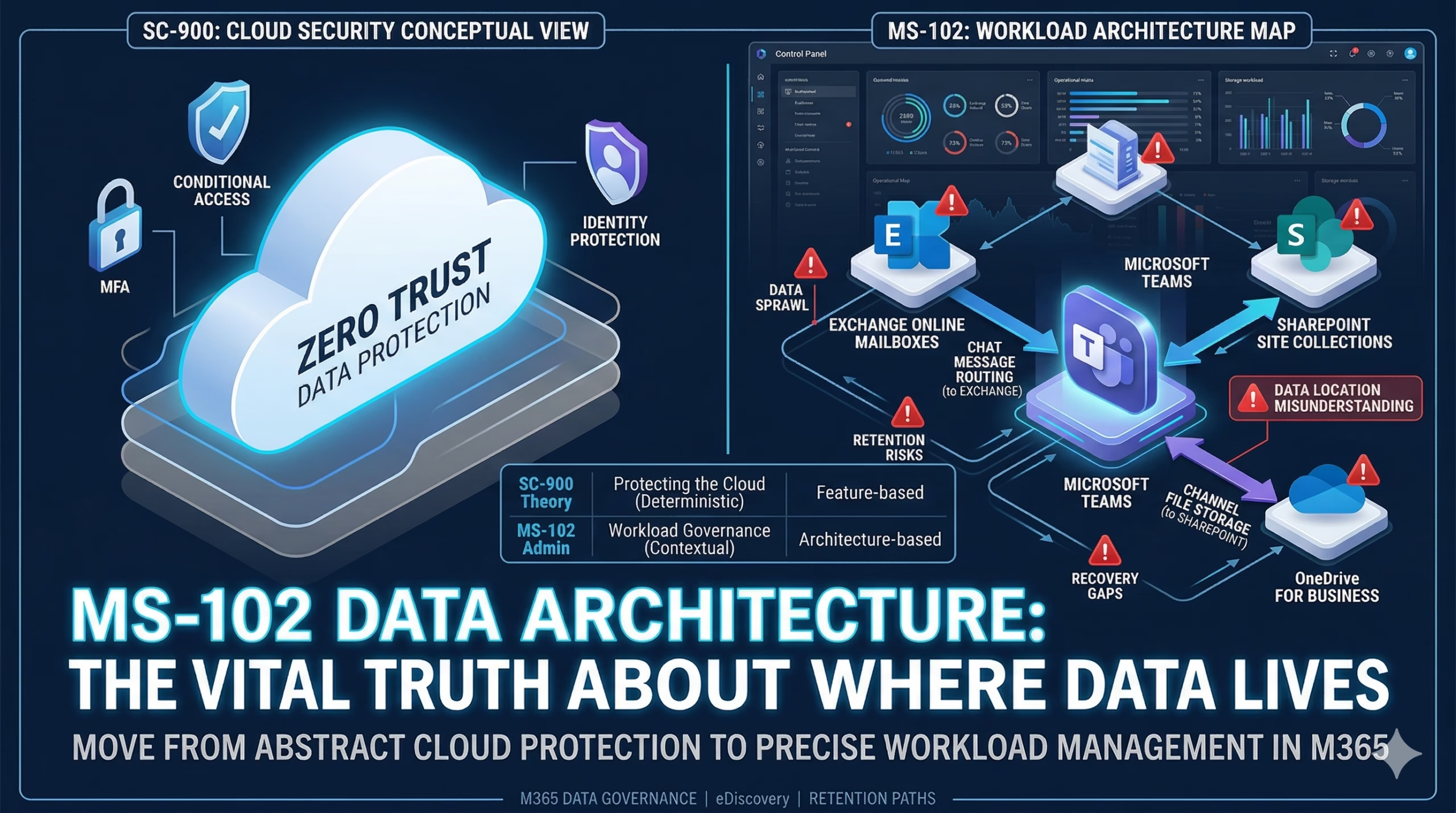
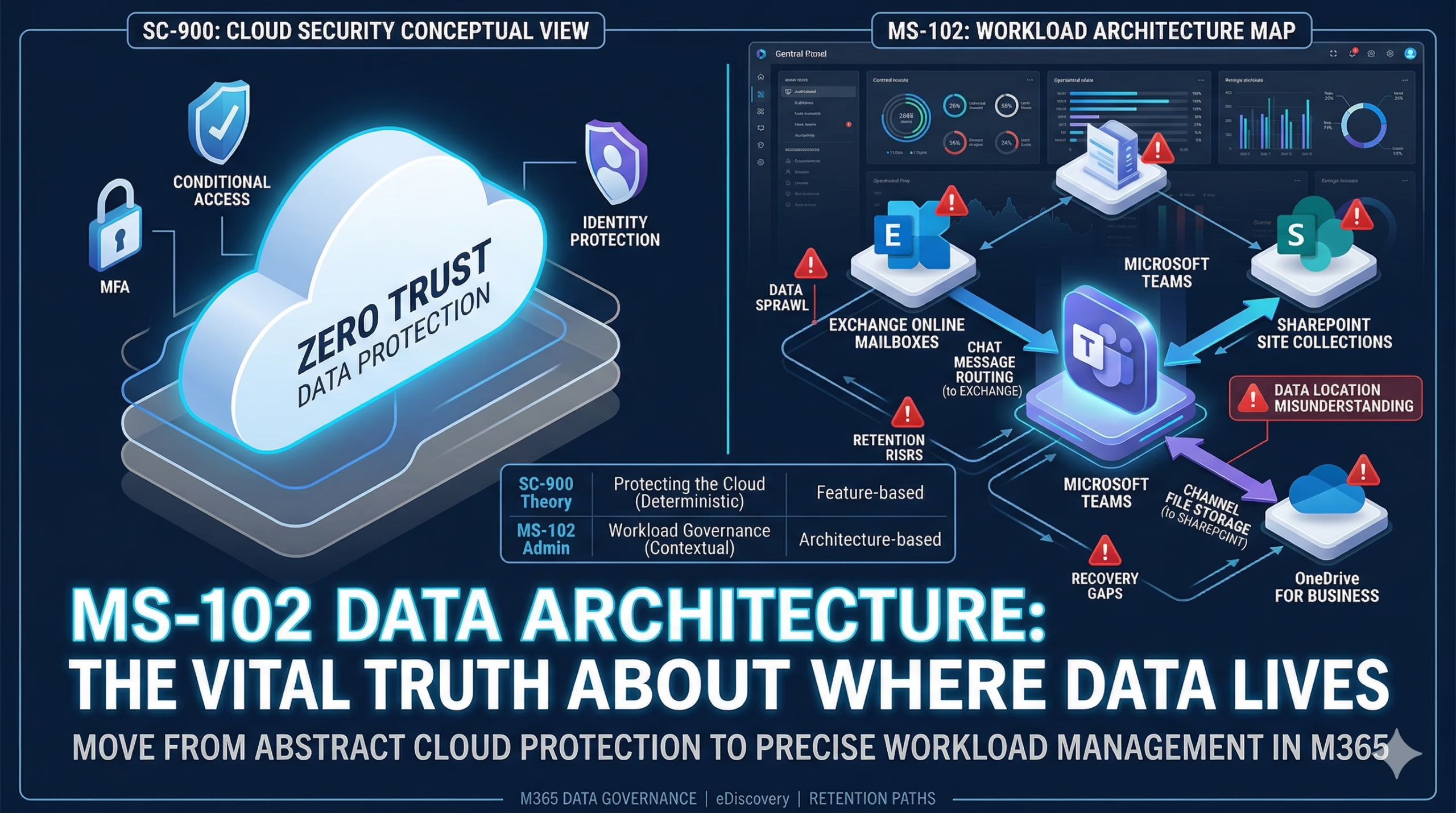
Learning Objectives After completing this guide, you will be able to: M365 Data Architecture: Why Admins Must Know Where Data Lives Mastering MS-102 Data Architecture requires a critical shift from ‘protecting the cloud’ to managing specific workloads. In real-world environments, security failures don’t happen because of the cloud; they happen because an administrator doesn’t know ...
Read the full article MS-102 Identity: The Crucial Truth Why It’s an Admin Responsibility
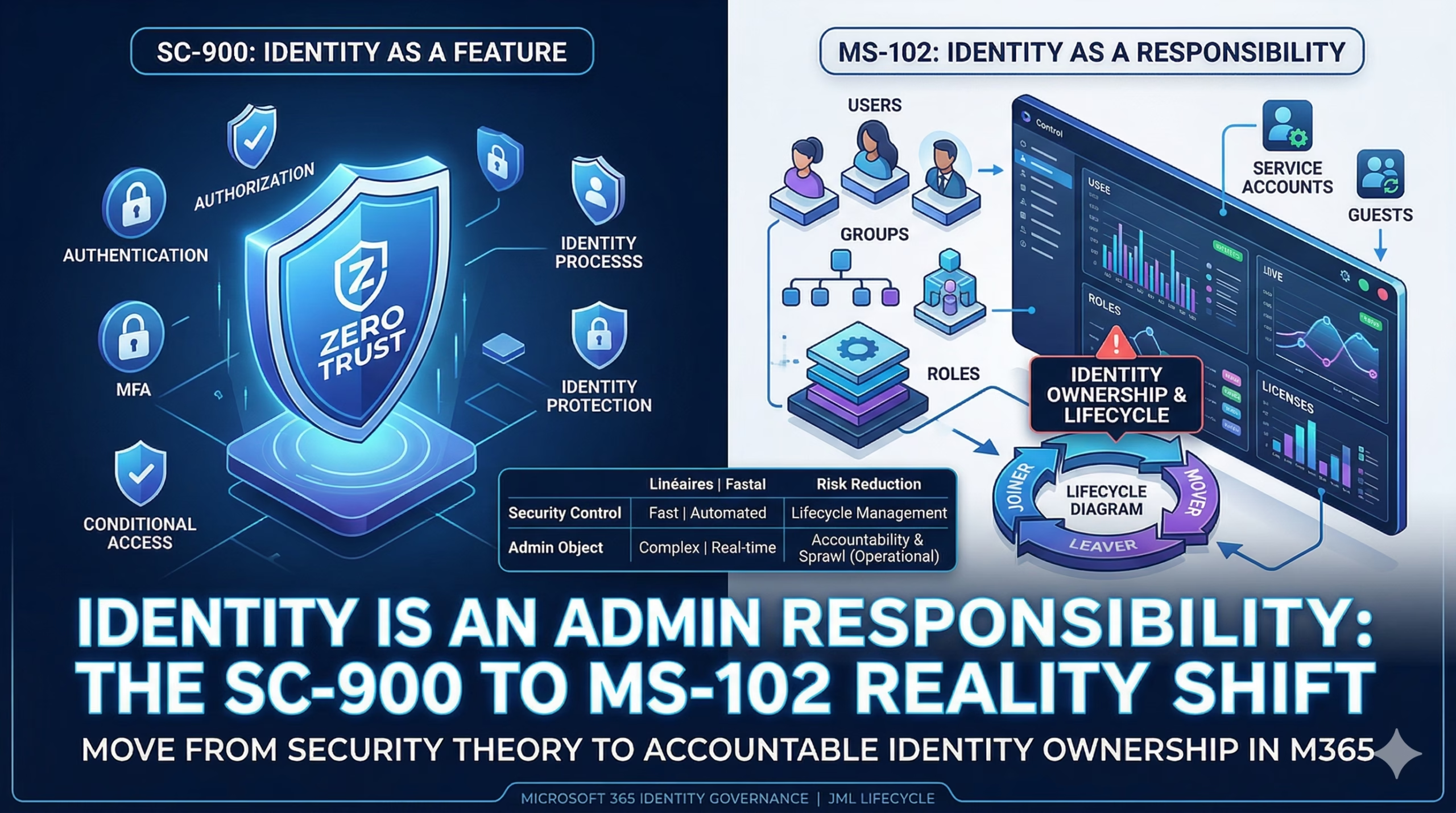
Learning Objectives After completing this guide, you will be able to: MS-102 Identity: The Crucial Shift from Security Feature to Admin Responsibility We’ve already looked at where Zero Trust breaks and why admin decisions matter more than tools. Now, we look at the core of those decisions: Identity. The SC-900 to MS-102 transition is more ...
Read the full article MS-102 Admin Decisions: Why Security Controls Fail | TechCertGuide
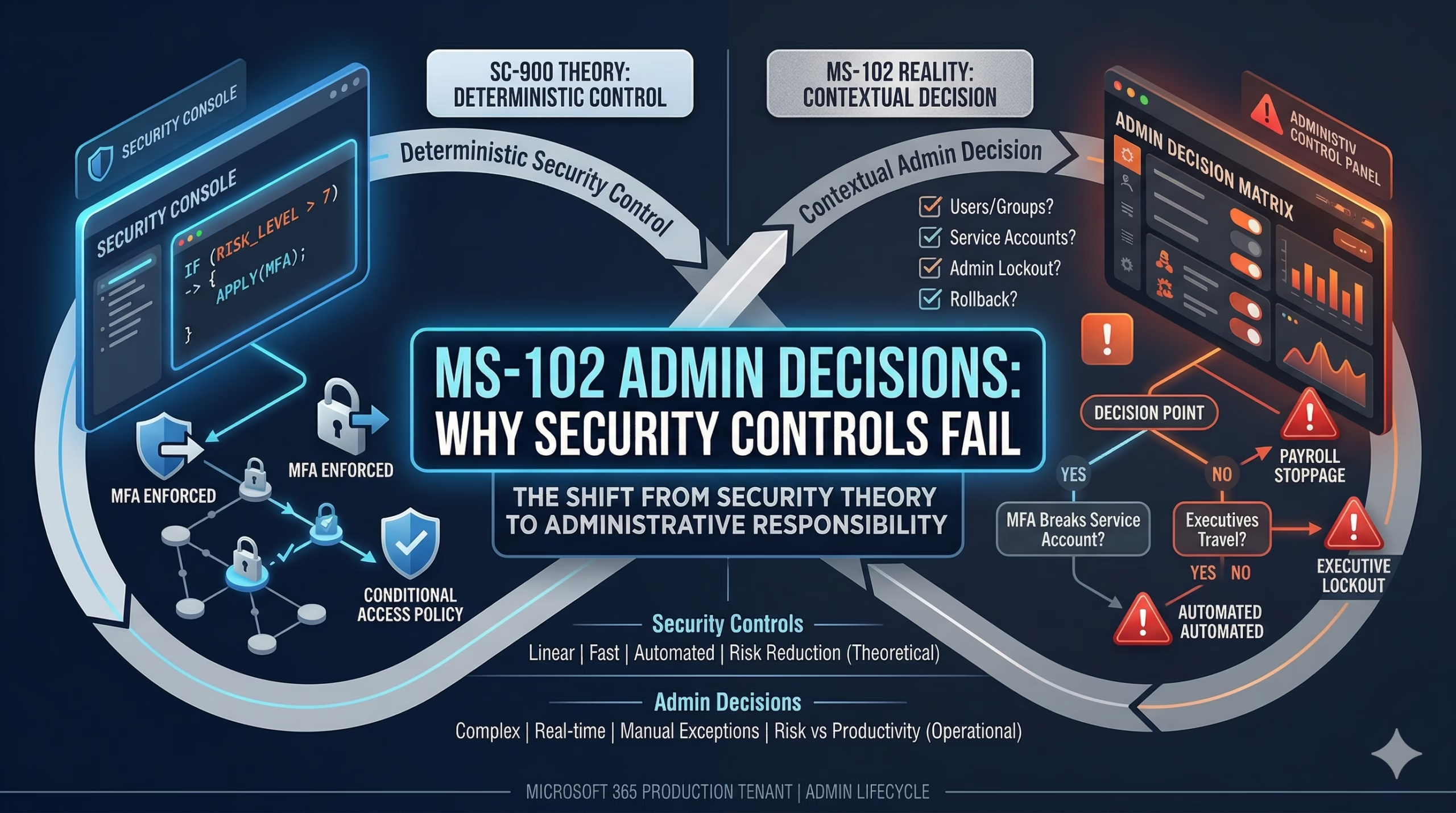
The SC-900 to MS-102 transition is where many professionals make a dangerous assumption: that security failures happen because tools are weak. They don’t. In real Microsoft 365 environments, critical MS-102 Admin Decisions are the real reason why security controls fail under pressure. This is the reality shift from SC-900 to MS-102 thinking. Series Navigation: ⬅️ ...
Read the full article